
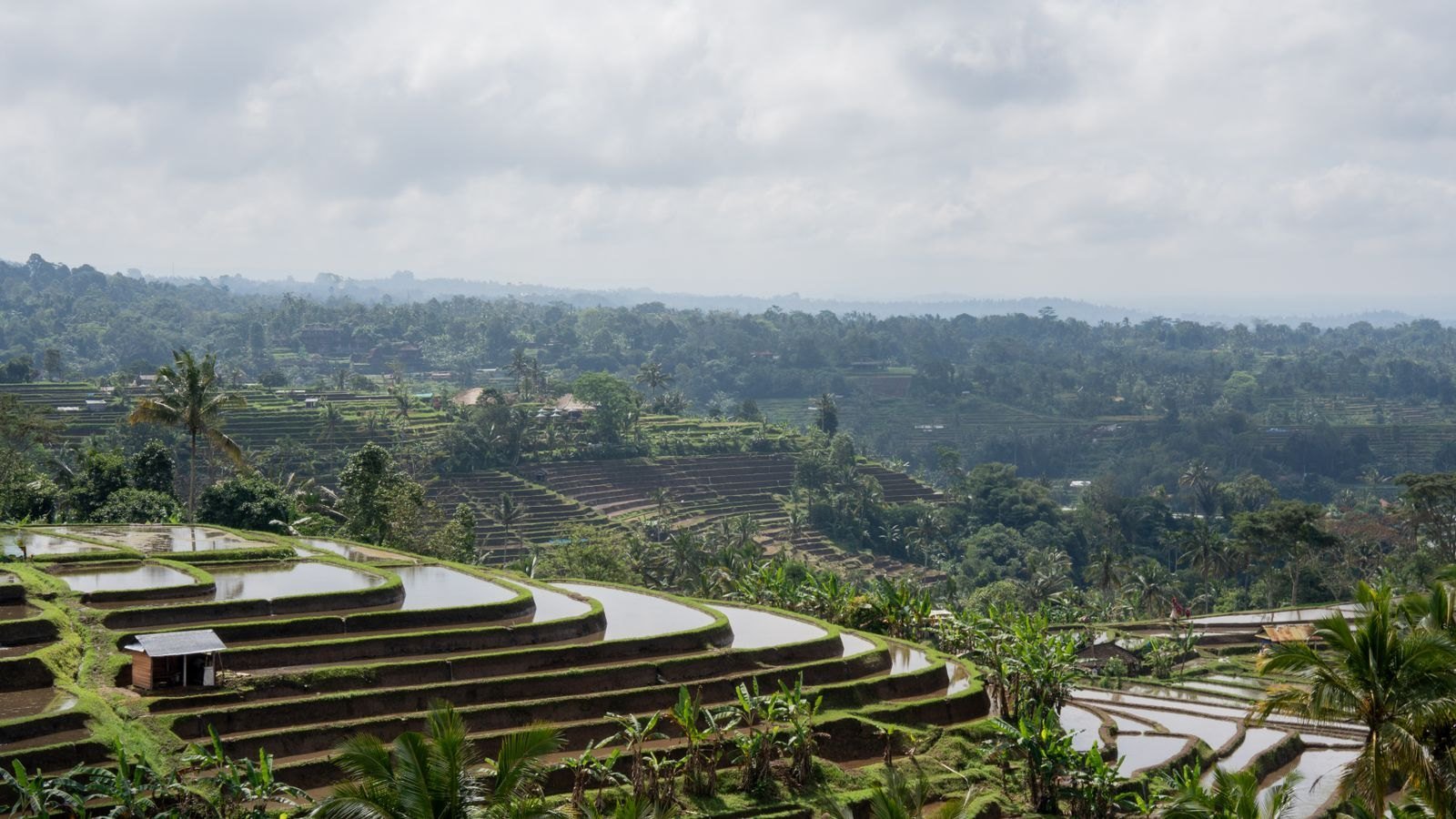
DENPASAR — Bali is strengthening its focus on protecting agricultural land as the island seeks to balance continued tourism and investment growth with environmental sustainability, food security and the wellbeing of local communities.
The issue was highlighted by Bali Governor Wayan Koster during a seminar in Denpasar on 20 September 2026, where he stressed that protecting agricultural land must remain an important part of Bali's long-term development strategy. He also emphasised that regulations restricting the conversion of agricultural land need to be accompanied by measures that improve farmers' livelihoods and provide meaningful economic incentives to keep agricultural land productive.
Balancing Tourism Growth with Sustainability
Bali is one of Indonesia's leading international tourism destinations. With a population of around 4.4 million and a relatively limited land area, the island faces increasing demand for land for tourism, investment, housing and other economic activities.
According to figures presented by Governor Koster, Bali welcomed approximately 7.05 million international visitors in 2025, while domestic and international tourist visits together reached around 16.3 million. Tourism also generated an estimated IDR 176 trillion in foreign-exchange earnings during the year.
These figures underline the importance of tourism to Bali's economy, while also highlighting the need to manage growth carefully. As visitor numbers and investment continue to increase, questions surrounding land use, agricultural production, the environment and the long-term character of the island are becoming increasingly important.
Agriculture at the Heart of Bali's Cultural Landscape
Agriculture in Bali represents much more than food production. Rice fields, traditional villages and irrigation networks form an important part of the island's cultural landscape and are closely connected with Balinese community life.
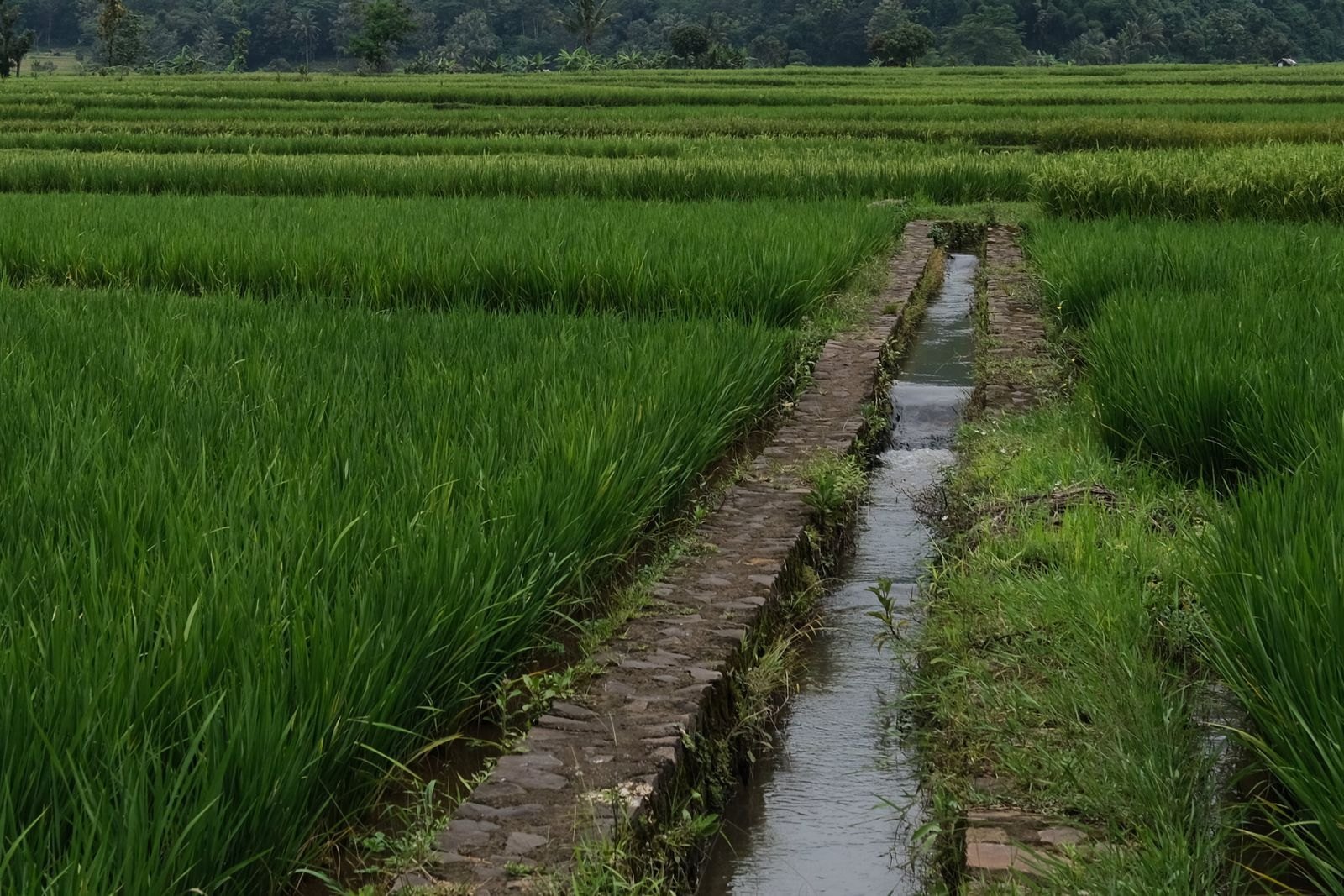
One of the most distinctive elements is Subak, Bali's traditional community-based irrigation system. It reflects centuries-old cooperation between farmers and remains closely connected with religious ceremonies, temples and the social structure of rural communities.
Protecting agricultural land therefore also means protecting aspects of Bali's cultural identity and traditional knowledge.
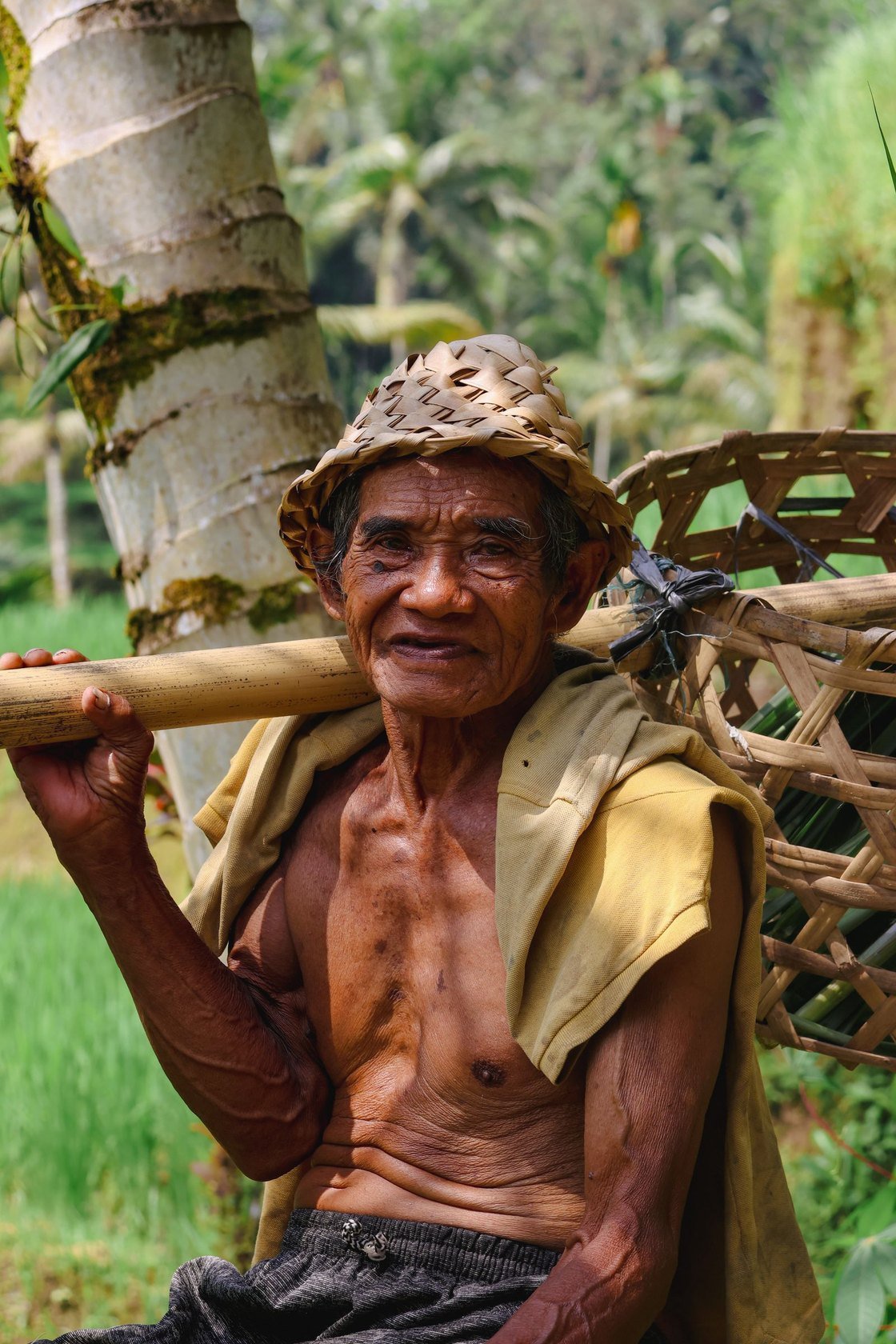
Governor Koster has also raised concerns about the future of farming as younger generations increasingly seek opportunities outside agriculture. Protecting farmland, he argues, will only be effective if farming remains an economically viable livelihood for local communities.
Rethinking the Way We Experience Bali
The discussion presents an important opportunity for Bali's tourism industry to look beyond conventional sightseeing and develop experiences that connect visitors more closely with the island's communities, culture and natural landscapes.
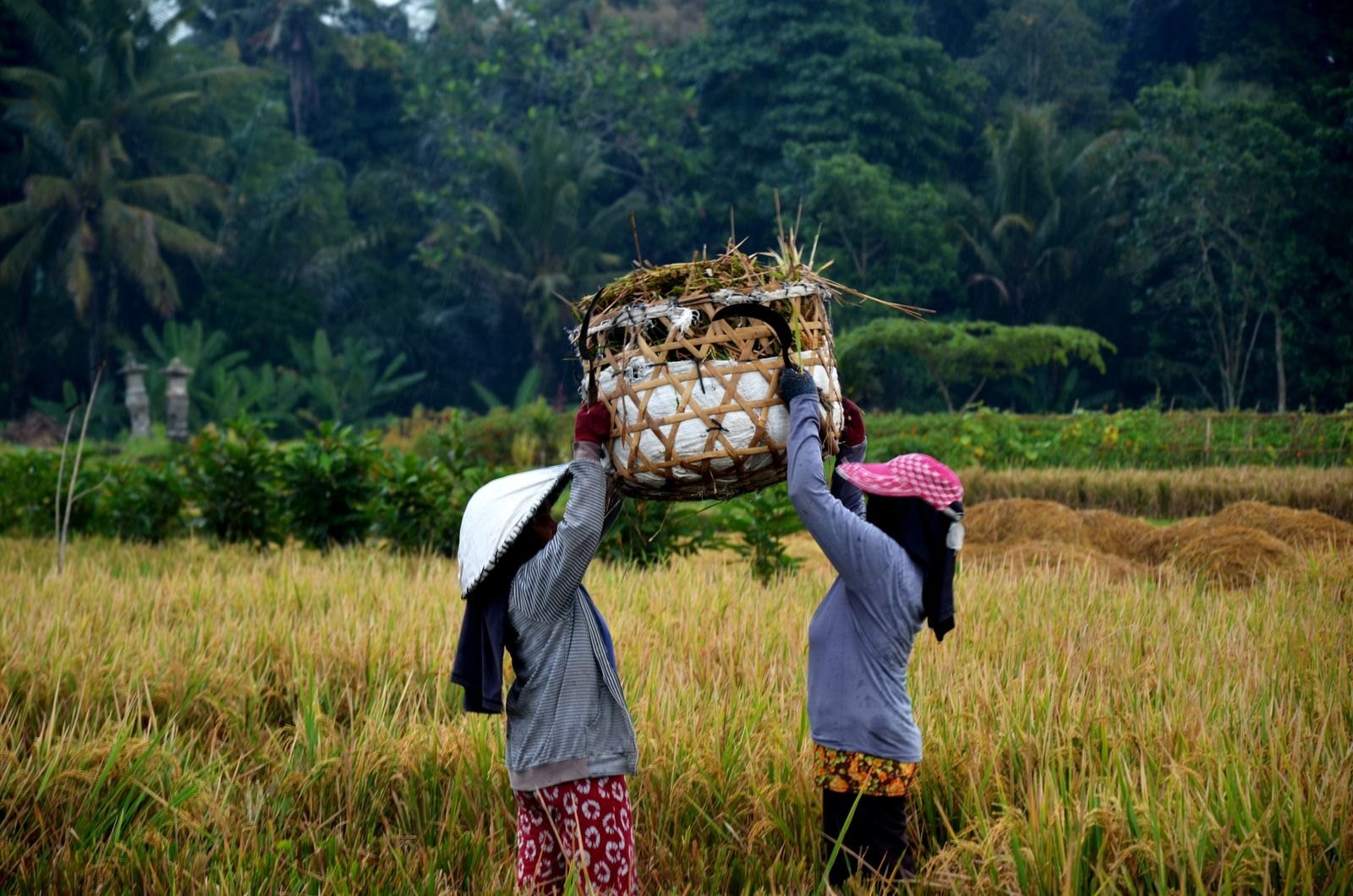
For international travellers, Bali can be experienced not only through its beaches, resorts and well-known attractions, but also through its rice terraces, traditional villages, local markets, farms, temples, culinary traditions and rural communities.
Travellers may, for example, explore traditional irrigation systems, visit agricultural communities, learn about local farming practices, discover Balinese food traditions or spend time in villages away from the island's busiest tourism centres.
These experiences offer visitors a different perspective on Bali — one that focuses on the people, traditions and landscapes that have shaped the island over generations.
Tourism That Creates Local Value
Sustainable tourism is increasingly about creating meaningful value for destinations as well as for travellers.
Encouraging visitors to explore rural areas and lesser-known parts of Bali can help spread tourism activity beyond the island's established tourism centres. It can also create opportunities for local communities to participate in the visitor economy while sharing their culture, skills and traditions.
For travellers seeking authentic, responsible and meaningful experiences, this approach provides an opportunity to see another side of Bali — beyond the familiar images of beaches, resorts and sunsets.
Discovering a More Authentic Bali
At Melali Indonesia Journeys, we believe that responsible travel begins with understanding the destination.
Our approach is to connect travellers with Bali's culture, communities, nature, agriculture, culinary traditions and local way of life, creating journeys that go beyond the conventional tourist experience.
From exploring traditional villages and rice terraces to discovering local cuisine and meeting the people who maintain Bali's cultural traditions, these experiences can provide a deeper connection with the island.
For visitors from Europe, Australia, North America and other international markets, discovering Bali in this way offers the opportunity to experience the island not simply as a holiday destination, but as a living cultural landscape.
Looking Ahead
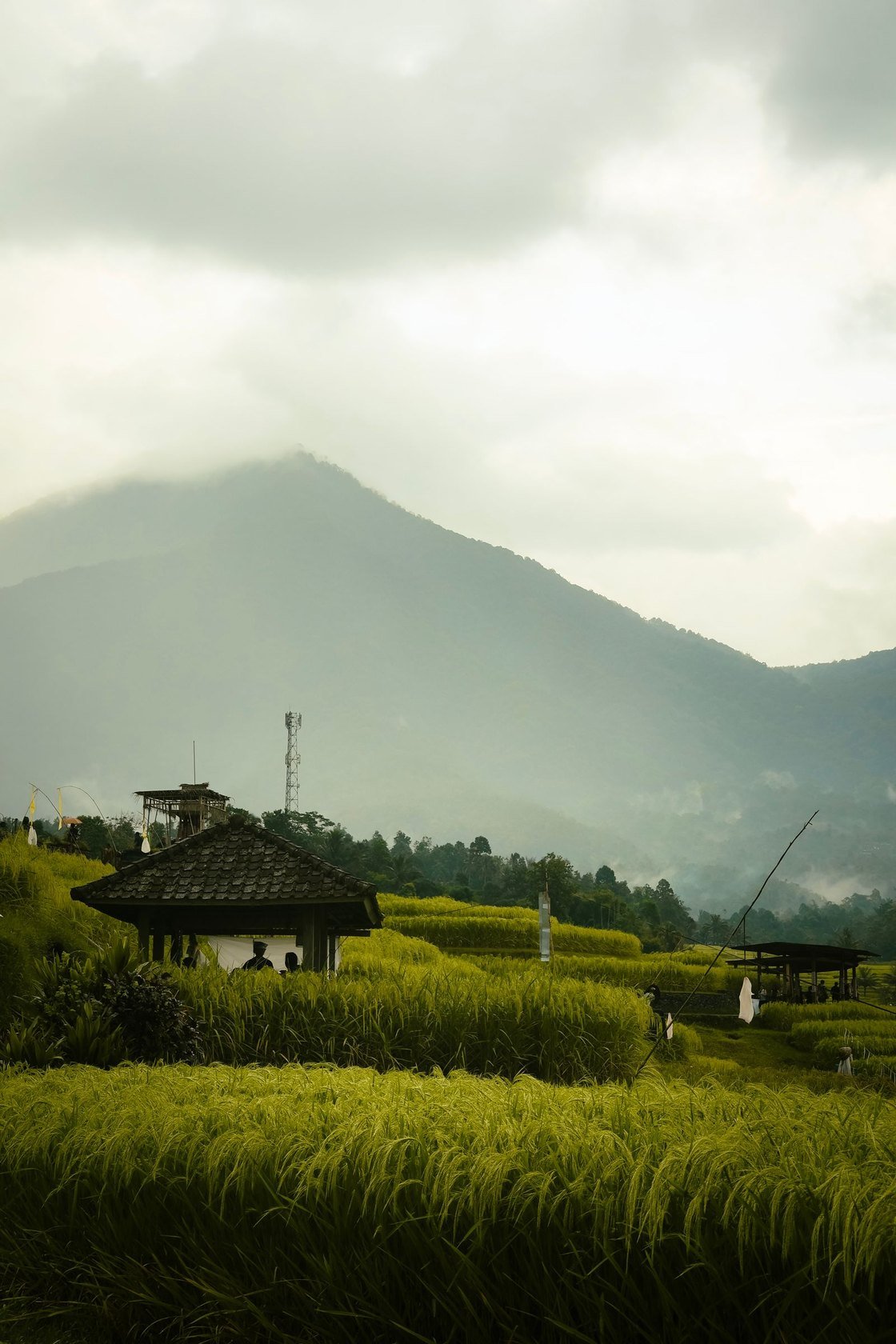
Bali's tourism success brings significant economic opportunities, but its long-term future will depend on how effectively the island balances development with the protection of its natural resources, agricultural land, cultural heritage and local communities.
The challenge is not necessarily to choose between tourism and agriculture, but to find ways in which tourism can contribute to the long-term sustainability of the destination.
For travellers, this means that choosing where to go, what experiences to participate in and how to engage with local communities can become part of travelling more responsibly.
Bali's future is ultimately connected to the landscapes, traditions and communities that make the island unique.
Melali Indonesia Journeys is committed to creating travel experiences that allow visitors to discover and appreciate this living heritage while travelling with greater awareness and respect for Bali and its people.
Source: Bali Post, 22 September 2026.