
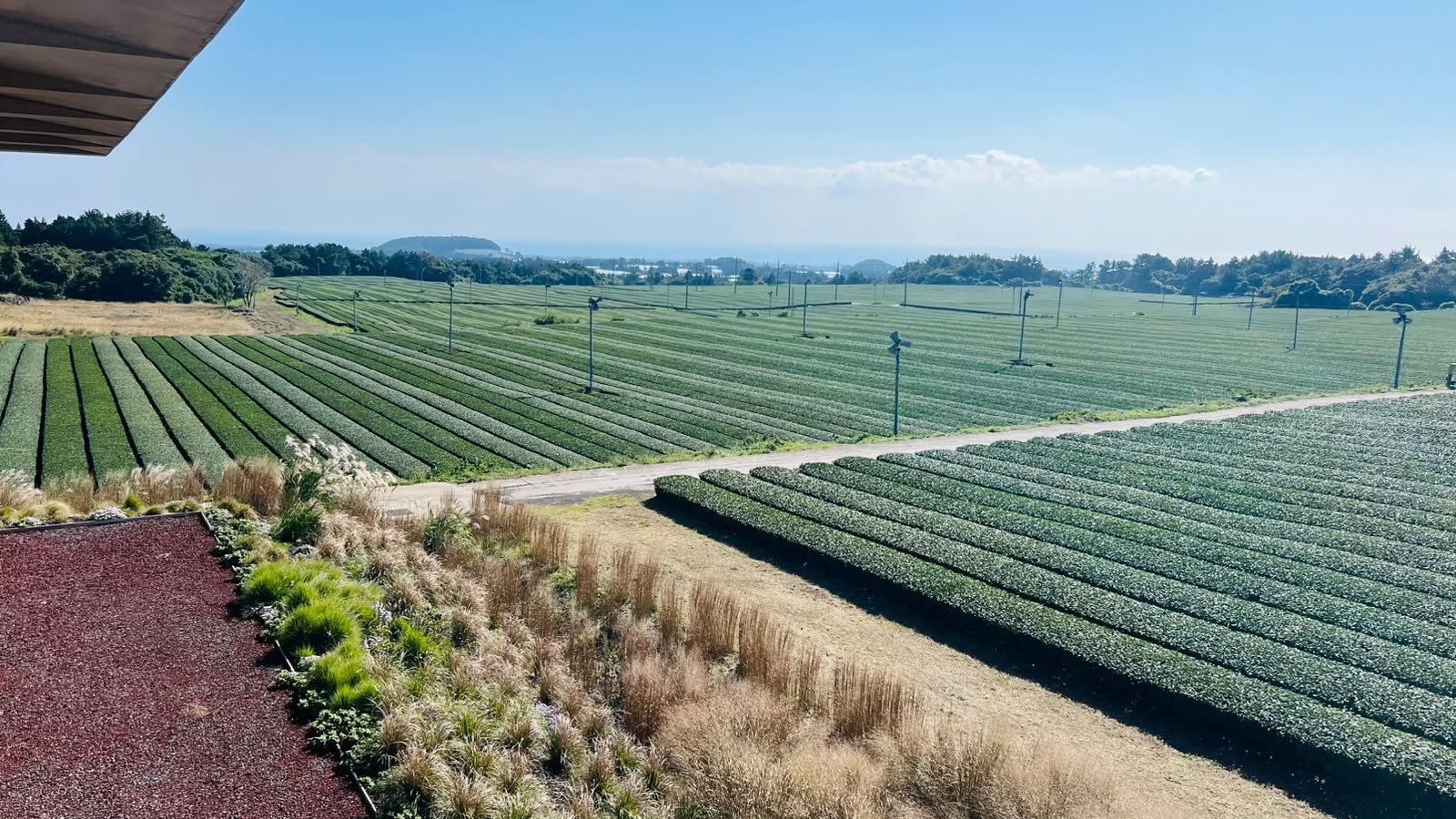
Jeju Island in South Korea and Bali in Indonesia are two remarkable island destinations renowned for their natural beauty, volcanic landscapes, coastal scenery and distinctive cultural identities. Beyond their popularity among international travellers, both islands offer fascinating stories of ancient kingdoms, ancestral traditions and communities whose cultural heritage continues to shape everyday life.
Their similarities and differences provide an inspiring perspective on how history, culture and nature can create meaningful and memorable travel experiences.
Discovering Jeju: The Legacy of the Ancient Tamna Kingdom
Long before becoming part of modern South Korea, Jeju was known as Tamna, an ancient island kingdom that developed through maritime trade, agriculture, fishing and livestock farming. Tamna maintained historical connections with neighbouring kingdoms in Korea, China and Japan before being formally incorporated into the Goryeo Dynasty in 1105.
Centuries of geographical isolation and cultural interaction shaped Jeju's distinctive identity, reflected in its local language, folklore, traditional architecture and maritime lifestyle.
Among its most recognisable cultural symbols are the Haenyeo, traditional female divers who harvest seafood without oxygen tanks. Their remarkable skills represent resilience, independence and community solidarity. UNESCO recognises the culture of Jeju Haenyeo as Intangible Cultural Heritage of Humanity.
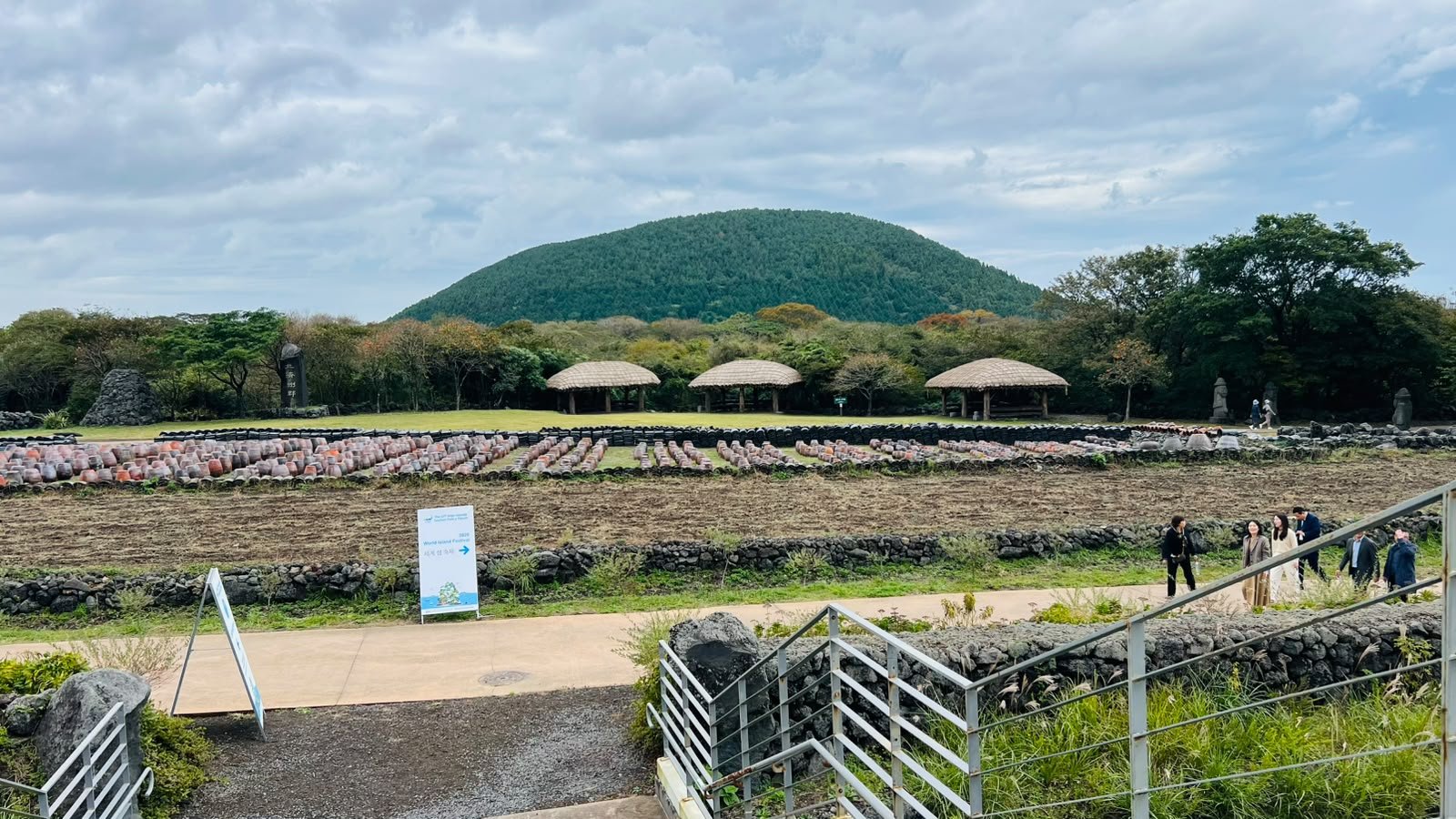
Other distinctive features include Dol Hareubang, iconic basalt stone statues associated with protection and local identity, and Batdam, traditional volcanic stone walls built to protect agricultural fields from strong winds.
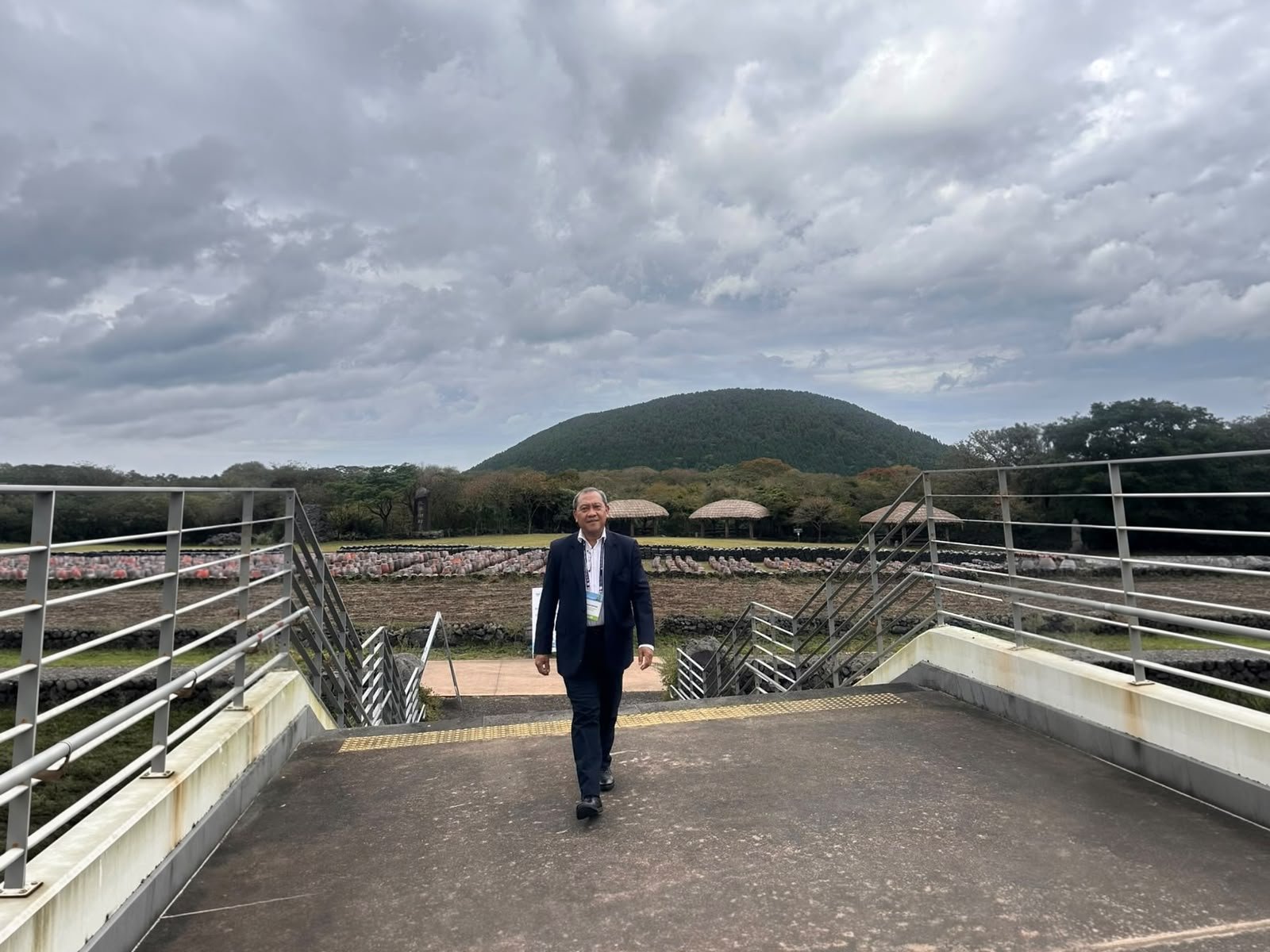
Five Heritage Attractions Worth Exploring
For international visitors interested in understanding Jeju beyond its natural attractions, five cultural and historical sites deserve special attention:
1. Samseonghyeol: A sacred historical site associated with the legend of Jeju's three founding ancestors and the origins of its principal clans.
2. Jeju National Museum: An excellent introduction to the island's archaeological discoveries, ancient Tamna heritage and historical development.
3. Seongeup Folk Village: A traditional settlement featuring thatched-roof houses, stone walls and architectural elements that reflect the island's former rural lifestyle.
4. Jeju Haenyeo Museum: Dedicated to the history, traditions and remarkable contribution of Jeju's female divers.
5. Jeju 4.3 Peace Park: A memorial and educational destination commemorating the tragic events of 1948 and promoting remembrance, reconciliation and peace.
These attractions offer travellers a deeper appreciation of Jeju's people, history and cultural values.
Jeju and Bali: Shared Island Heritage, Distinctive Cultures
Interestingly, Jeju and Bali share several characteristics despite their different religious and historical backgrounds.
Both islands developed distinctive local identities through ancient kingdoms. Jeju's Tamna heritage can be compared with Bali's historical kingdoms, including the Warmadewa dynasty, Gelgel and Klungkung.
Both communities also maintain a strong relationship with their natural environment. Mount Hallasan is an important geographical and cultural symbol of Jeju, while Mount Agung holds profound spiritual significance in Balinese Hindu cosmology.
Their traditional communities demonstrate remarkable adaptation to island environments. Jeju developed Batdam stone walls, while Bali established Subak, its traditional irrigation system recognised by UNESCO as a cultural landscape.
Women also play significant roles in both societies. The Haenyeo represent Jeju's maritime heritage, while Balinese women contribute substantially to traditional ceremonies, crafts, commerce and community life.
Nevertheless, their cultural expressions remain distinct. Jeju reflects Korean indigenous traditions and regional influences, while Bali is strongly shaped by Hindu Dharma, ancestral customs, arts and the philosophy of Tri Hita Karana.
Melali Indonesia Journeys Explores Jeju
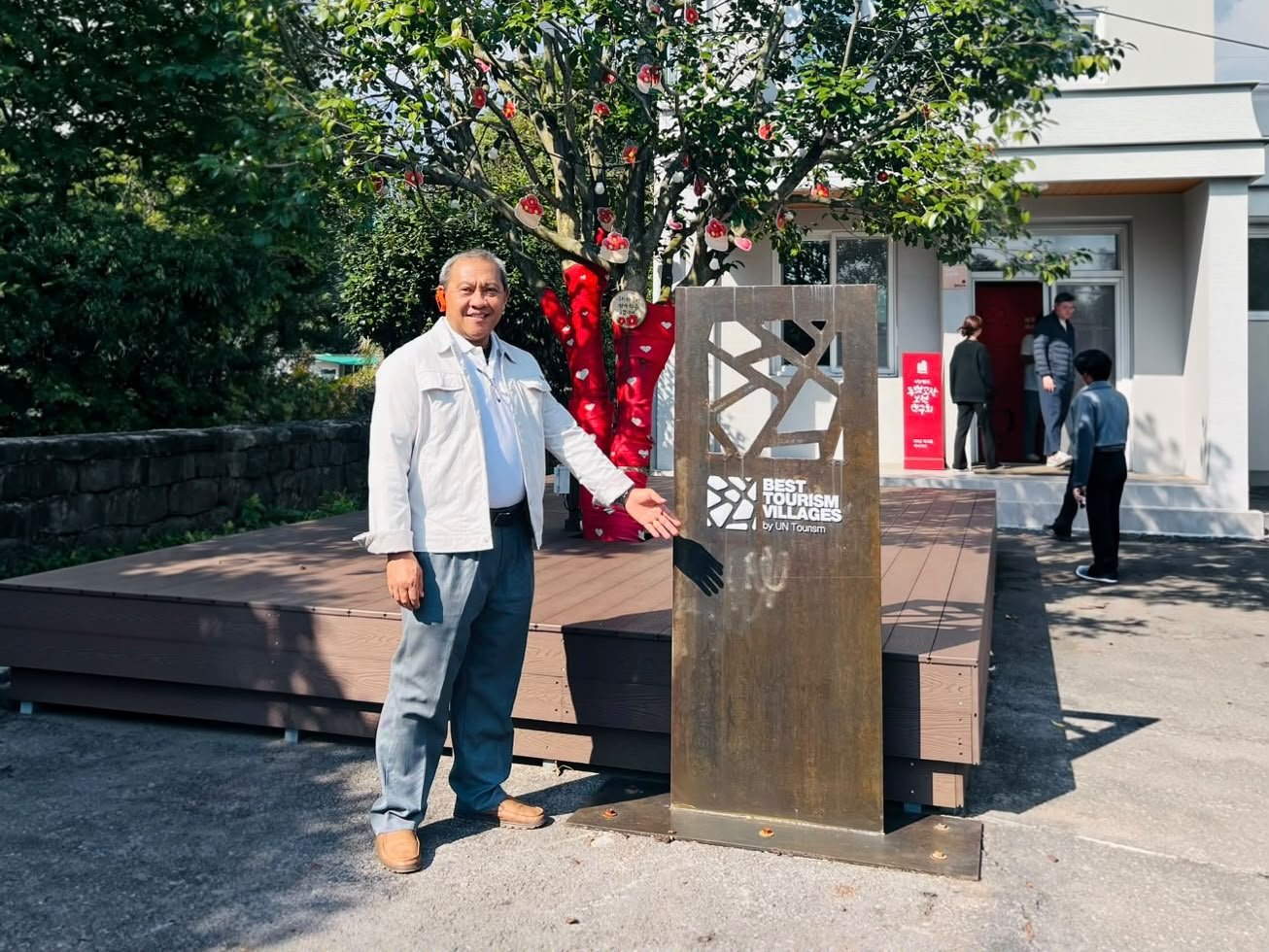
To gain first-hand insights into Jeju's tourism development, Dr. Ketut Jaman, Managing Director of Melali Indonesia Journeys, undertook a five-day familiarisation trip to Jeju, South Korea, from 27 to 31 October 2026.
The visit provided an opportunity to explore the island's tourism attractions, cultural heritage, visitor experiences and destination development initiatives.
Through direct observation and engagement with the destination, the visit offered valuable insights into how Jeju combines natural landscapes, cultural preservation, community traditions and modern tourism infrastructure to create a distinctive international tourism destination.
These insights will contribute to Melali Indonesia Journeys' destination knowledge and product development, particularly in designing more enriching travel experiences for international visitors exploring Indonesia and Southeast Asia.
Travel Beyond the Ordinary
Jeju and Bali demonstrate that an exceptional journey is not simply about beautiful landscapes or famous attractions. It is also about discovering the stories of local communities, understanding their heritage and experiencing the traditions that make each destination unique.
For international travellers seeking authentic cultural encounters, both islands offer rewarding opportunities to explore history, heritage, gastronomy, nature and community life.
At Melali Indonesia Journeys, we believe that meaningful travel begins with discovering the people, stories and cultural heritage behind every destination.
Explore Indonesia. Experience Its Heritage, Culture and People.
(Melali Media Team)