
By Dr. Ketut Jaman
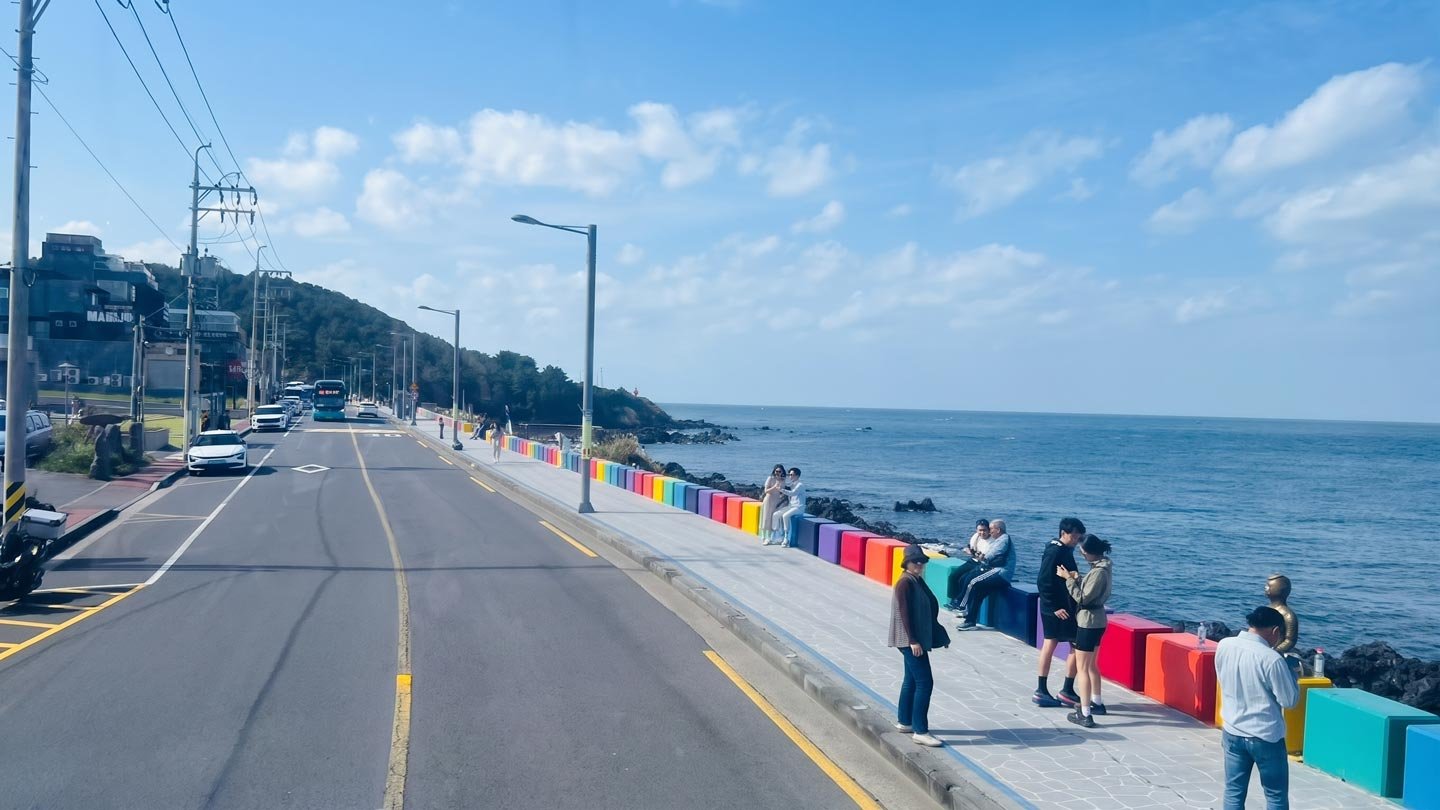
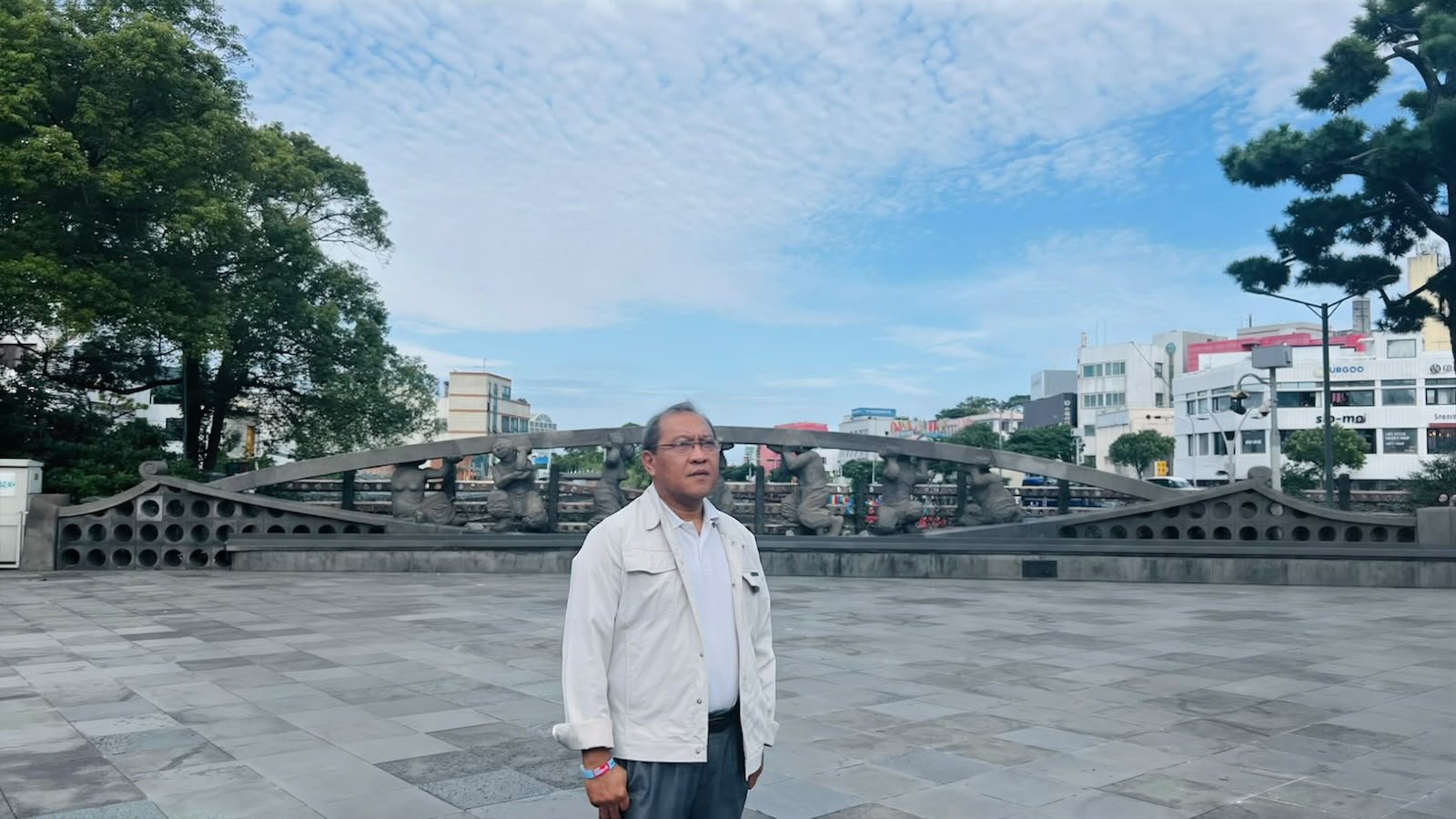
This article is based on observations and insights gathered during a familiarisation trip to Jeju Island, South Korea, from 27 October to 2 November 2026. The visit provided an invaluable opportunity to observe the island's natural features, coastal tourism attractions, visitor infrastructure, and destination management practices. These experiences serve as a foundation for reflecting on strategic opportunities to develop North Bali's coastal and marine tourism sector.
Shared Geography, Distinct Destinational Characters
Jeju Island and North Bali both possess immense potential as coastal and marine tourism destinations, driven by their distinctive volcanic geology and geography. These shared features include black sand beaches, volcanic rock formations, dramatic coastal landscapes, and local communities with deep-rooted connections to the sea. Despite these geological parallels, the two regions exhibit markedly different destinational traits.
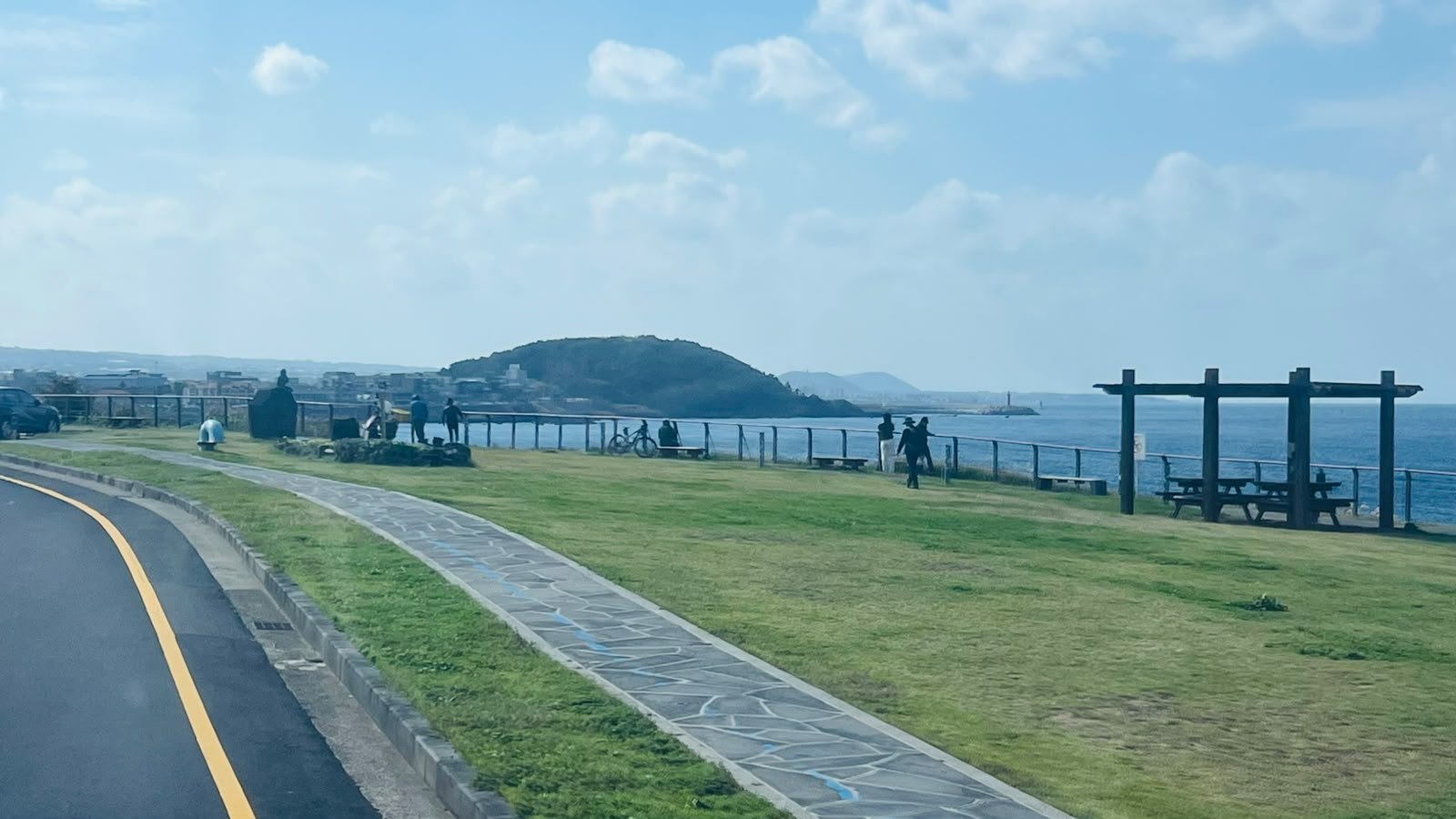
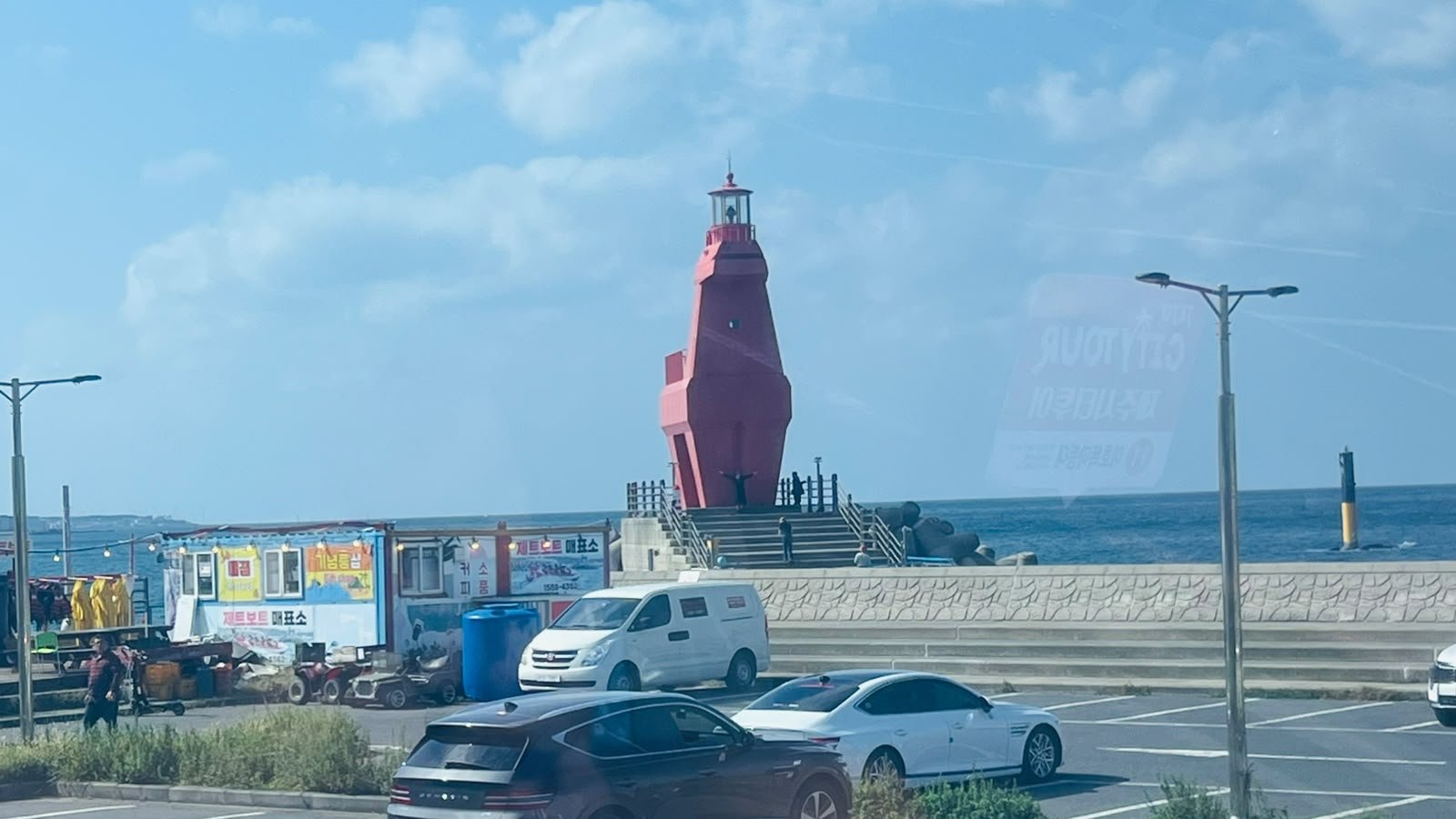
Jeju Island features a subtropical climate with four distinct seasons. Its unique visual appeal lies in its combination of black basalt formations, contrastingly vibrant white, grey, and black sand beaches, and crystal-clear waters ranging from vivid blue to turquoise. Key coastal destinations illustrate this diversity. Hamdeok Beach is renowned for its fine white sand and turquoise waters. Samyang Beach offers the distinctive charm of volcanic black sand, while Iho Tewoo Beach features iconic horse-shaped lighthouses that serve as a landmark for the area. This natural charm is substantially enhanced by high-quality recreational facilities, seamless accessibility, and thoughtful spatial planning. Jeju's success lies in packaging these natural traits into well-defined tourism products, such as geotourism, photography trails, coastal pedestrian paths, and educational tours.
In contrast, North Bali enjoys a tropical climate defined by wet and dry seasons, supporting warm marine waters year-round with high biodiversity.
A Rich Tapestry of Coastal and Marine Potential
North Bali (Buleleng Regency) possesses robust natural and cultural assets to establish itself as a premier coastal and marine destination. Lovina is a cornerstone of North Bali tourism, celebrated for dolphin watching, traditional jukung boat trips, and a relaxed, tranquil coastal ambience offering a serene contrast to Bali's bustling southern coast. Pemuteran and Menjangan Island are leaders in marine conservation and underwater tourism, providing world-class snorkeling and diving experiences amongst vibrant coral reef ecosystems. Additionally, inland attractions such as waterfalls, lakes, geothermal hot springs, lush plantations, traditional villages, and rich cultural heritage can all be seamlessly integrated with coastal visits to extend visitor stays (length of stay) and distribute economic benefits more broadly across local communities.
Comparing Strategic Strengths
In comparing strategic strengths, the primary strengths of Jeju Island include public facilities, coastal landscape design, geotourism packaging, and integrated pedestrian trails, whereas North Bali's primary strengths are its rich tropical marine ecosystems, diverse marine activities, coastal heritage, and a fusion of nature and local culture. Regarding climate and waters, Jeju Island is subtropical with four seasons and cool-to-temperate waters, while North Bali is tropical with two seasons and warm waters year-round with high marine biodiversity. For the core experience, Jeju Island offers structured coastal walks, scenic sightseeing, and geotourism, whereas North Bali offers underwater exploration, eco-conservation, and authentic cultural engagement.
These distinct profiles demonstrate that the two destinations should not be compared in absolute terms. Jeju serves as an excellent reference point for destination management and coastal packaging, while North Bali's strength lies in its tropical natural resources and authentic cultural heritage. Learning from Jeju should focus on destination management approaches rather than replicating its physical landscape.
Strategic Lessons from Jeju for North Bali
Developing North Bali's coastal tourism requires integrated spatial planning, product diversification, and environmental sustainability. For coastal landscape development, the focus must be to enhance public spaces while preserving natural features such as volcanic rocks, beaches, and native vegetation. Upgrades should prioritise cleanliness, well-maintained public amenities, improved access, open public spaces, and harmonious visual aesthetics. For coastal walking and cycling routes, constructing dedicated pedestrian and cycle paths along the coast creates engaging, low-impact ways to explore. These routes should include scenic viewpoints, rest areas, educational interpretation boards, and essential amenities, adapted to local terrain and land ownership contexts.
Regarding geotourism development, it is vital to utilise North Bali's volcanic origin to create educational geotourism products. Incorporating the story of volcanic sand, rock formations, and coastal formation enriches the visitor experience, offering meaningful educational value beyond traditional sightseeing. Through integrated coastal tourism, we connect beach and marine activities directly with fishing village visits, local culinary experiences, cultural tours, and inland excursions. Integrated itineraries encourage longer stays and increase local visitor expenditure. Finally, for sustainable marine tourism, we must establish clear environmental carrying capacities for marine activities like dolphin watching, snorkeling, and diving. Ensuring animal welfare, visitor safety, and reef preservation alongside active community involvement secures long-term ecological and economic viability.
Positioning North Bali as a Premier Tropical Coastal & Marine Destination
North Bali has a clear opportunity to position itself as an integrated Tropical Coastal and Marine Tourism Destination. Lovina is positioned as the hub for coastal lifestyle and maritime experiences, broadening its identity beyond dolphin watching to encompass local culinary tours, fishing culture, photography, and coastal relaxation. Pemuteran and Menjangan Island are focused primarily on underwater eco-tourism, diving excellence, and marine conservation. The surrounding coastlines are tailored for leisure recreation, nature photography, environmental education, and authentic community-based tourism.
Realising this positioning requires enhanced connectivity between attractions, upgraded public infrastructure, cohesive coastal planning, unified marketing, professional training for local workforces, and close collaboration between government bodies, industry leaders, and local communities.
Unlocking Local Excellence for Global Competitiveness
The Jeju experience illustrates that success in coastal tourism depends as much on effective management, infrastructure quality, and sustainable planning as it does on natural beauty. The strategic imperative for North Bali is not merely increasing tourist numbers, but building a high-quality, differentiated destination that extends visitor stays and delivers meaningful economic benefits to its host communities. North Bali does not need to become the next Jeju; it must become an internationally competitive tropical coastal destination with a distinct, proud identity of its own.
(Melali Media Team)